



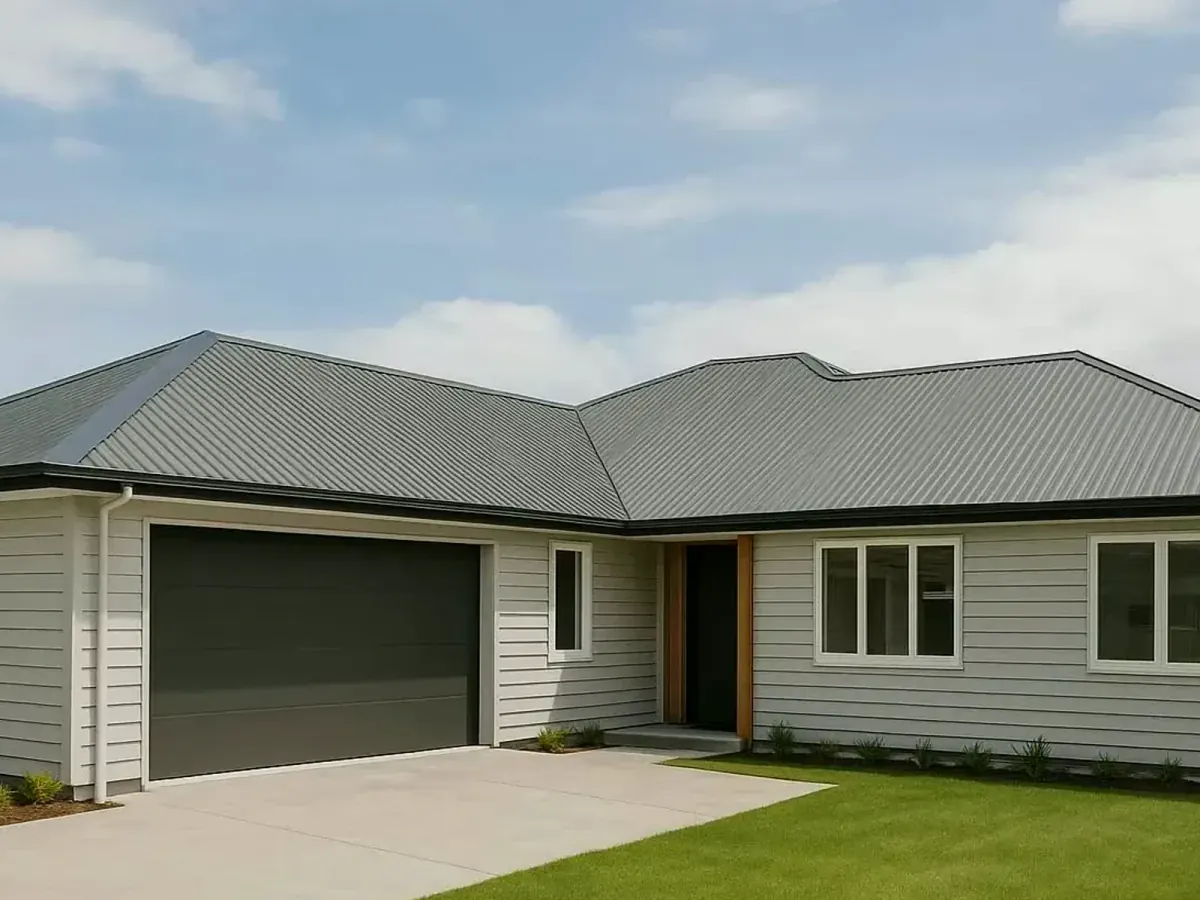
Coastal Auckland
What makes coastal house painting in Auckland different?
Salt. Coastal house painting in Auckland comes down to getting the salt off before painting, repairing what it has already damaged, and choosing a paint system for how exposed each wall really is. Get those right and a coastal repaint lasts; skip them and the seaward side fails first, every cycle.
If one side of your house always fails before the others, the specification needs to change, not just the colour. Tomar Contracting plans coastal work wall by wall as part of our exterior painting service, and puts the washing, repairs, products and coats in a written fixed quote after a free site visit.
Free site visit and written fixed quote · We reply within two business days
Salt and paint
What does salt do to exterior paint?
It stops new paint sticking and speeds up corrosion. Salt settles on walls as a fine film, holds moisture against the surface, and attacks nail heads, flashings and metal fixings. Paint applied over it bonds to the salt, not to the house.
The heaviest build-up is often where rain never reaches: under eaves and soffits, beneath balconies and on sheltered walls. Those areas can look clean but carry the most salt, so they need washing as carefully as the exposed walls. Wind-driven rain also pushes water into joints and laps harder than it does inland.
Our guide to coastal home painting on the North Shore goes further into the junctions that fail first.
Site visit
What do we check on a coastal site visit?
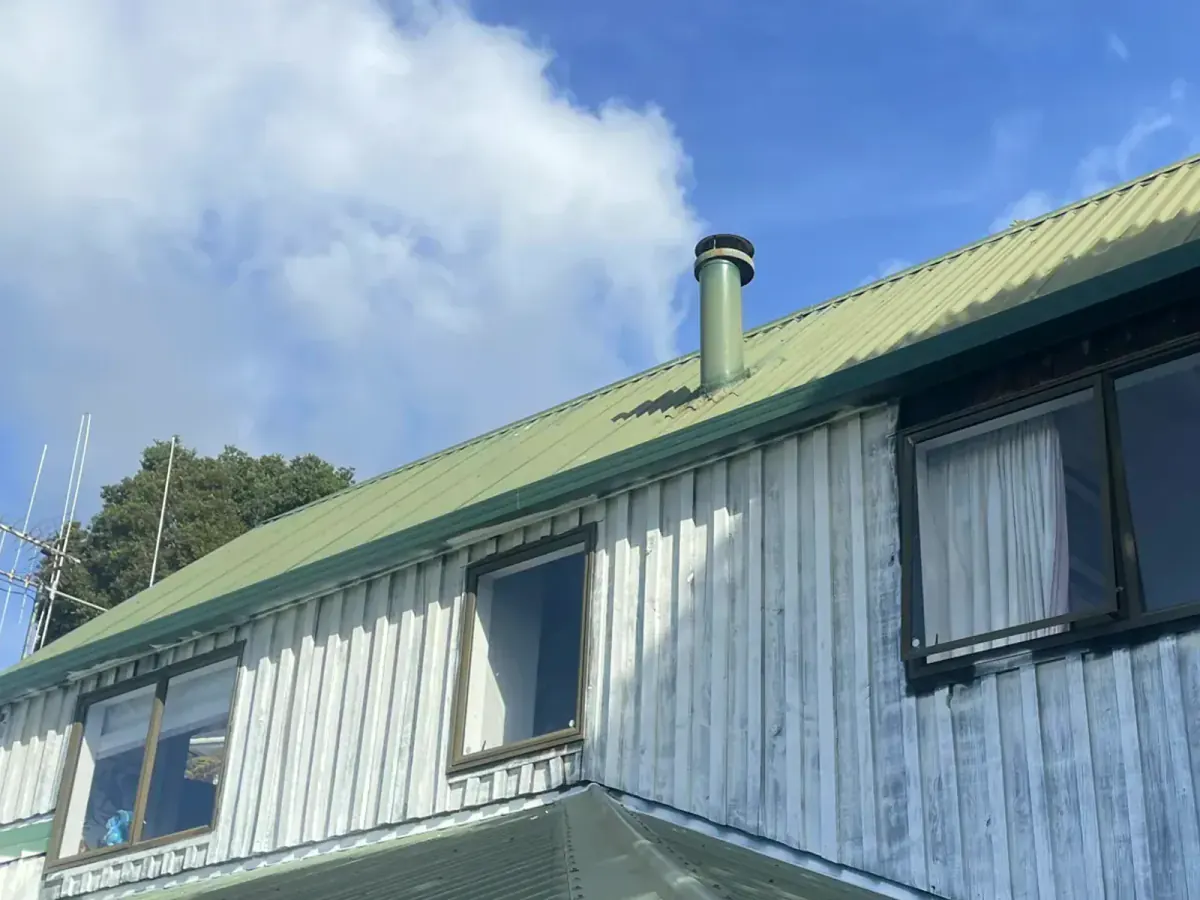
The walls facing the sea and the prevailing wind come first, because they show how hard the site is on paint. Then we work around the house looking for the places salt does its damage:
- Seaward elevations, and how quickly the last coat failed on them.
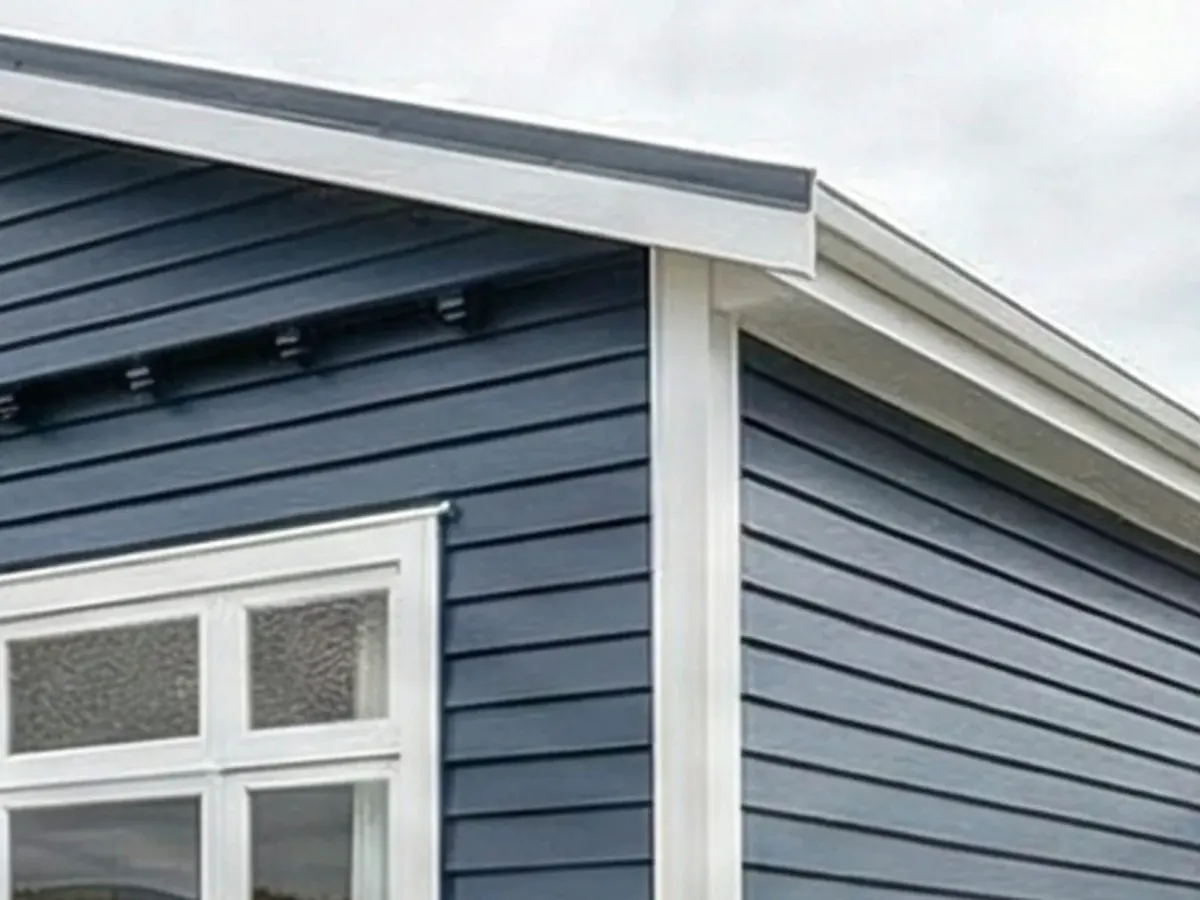
- Sills, ledges, balcony edges and the tops of fascias, where salt and water sit.
- Joinery ends, corner facings and barge boards.
- Rusting nail heads, flashings and fixings.
- Soft timber and failed sealant joints.
- The thickness and condition of the old coatings, and whether a new system is compatible with them.
Anything that needs another trade, such as a failed flashing, is called out before topcoats can hide it.
Repaint cycles
How often do coastal homes need repainting?
Sooner than the same house inland. Many well-prepared paint systems last around 8 to 12 years inland, and exposed seaward walls usually need attention sooner, so plan for a shorter repaint cycle on the seaward side and regular washing in between. We talk through a realistic interval for your site at the visit.
Gentle freshwater washing, especially of soffits, the undersides of gutters and sheltered walls, is the simplest way to extend paint life near the sea. So is touching up chips and failed edges early, before water gets behind the film. A coastal home that is never washed ages faster than an inland one with the same paint.
Call 0800 TOMAR C (866 272) · Fully insured, Site Safe trained team

Where we work
Which Auckland coastal areas do we paint?
All of greater Auckland's coast, from sheltered harbour edges to the surf beaches. Exposure changes a lot over a short distance, so the specification is set house by house.
- North Shore: Devonport, Takapuna, Milford and the East Coast Bays, where many homes face the harbour or the Hauraki Gulf.
- Central harbour and eastern bays: Herne Bay and Westmere on the Waitematā, and Mission Bay and St Heliers along Tāmaki Drive.
- East Auckland: Bucklands Beach, Half Moon Bay and Cockle Bay around Howick, and Beachlands and Maraetai further east.
- West coast and the Manukau: Piha and Muriwai take strong wind off the Tasman Sea, while Titirangi and Laingholm sit above the Manukau Harbour, often with bush shade as well. See West Auckland painters.
Coastal sections often come with tight side access and sloping ground, so scaffold and access are planned at the site visit and included in the quote.
Roof and walls
Can you paint the roof and walls together on a coastal home?
Yes, and on exposed sites it is often the better-value option. The roof and walls face the same salt and wind, so one site visit, one access plan and one weather window for both avoids setting up twice and lets the colours be chosen together.
Roofs near the sea take a lot of sun and salt, and flashings and fixings often corrode first. We only recommend a coating the roof can support, and tell you plainly if it needs repair or replacement instead. See roof painting and restoration.

Plaster near the sea
Is a coastal plaster or monolithic home painted differently?
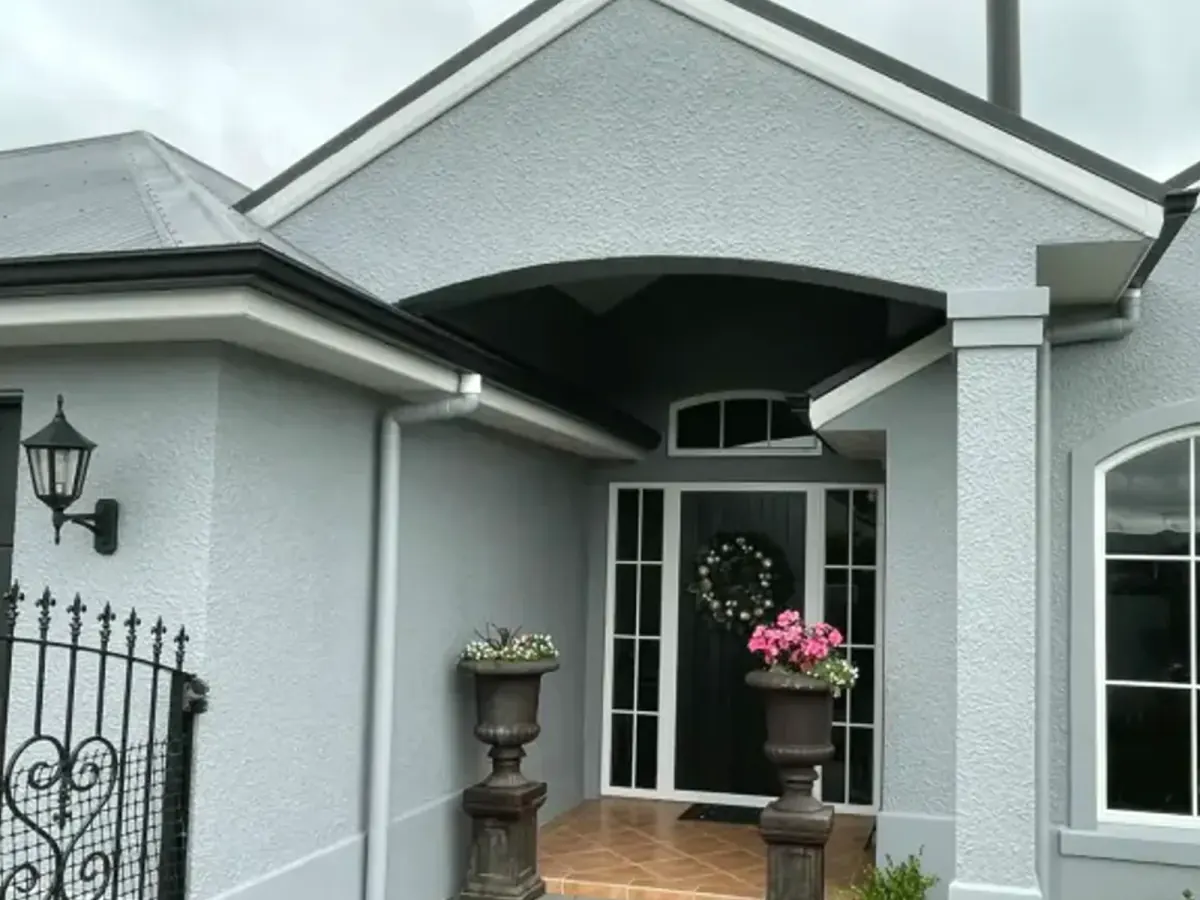
Yes. Plaster and texture-coated homes near the sea need cracks and sealant joints repaired properly and a system suited to the cladding, and some sound walls suit a flexible elastomeric membrane coating. They are washed gently, never at high pressure, which can force water into the cladding.
You'll find plaster and monolithic cladding on many of Auckland's 1990s and 2000s homes, and paint cannot fix a house that is already letting water in. See painting plaster and monolithic homes for how we assess them.
How much does coastal house painting cost in Auckland?
The typical Auckland range for repainting the exterior of a standard 3-bedroom home is $12,000 to $25,000+. Coastal homes can sit toward the top of that range, or above it, when they need more washing, corrosion treatment and timber repair, or scaffold on exposed and sloping sites. What moves the price:
- Cladding type: weatherboard takes longer than plaster.
- The condition of the existing paint and the amount of repair.
- Access and scaffolding.
- Rust treatment on nail heads, fixings and flashings.
A guide for standard homes, not a price for yours. The written fixed quote after a free site visit is your real number.
See what painting costs in Auckland for roof and interior ranges, and what to check when you compare quotes.
Before we visit
How can you prepare for a coastal site visit?
Tell us what the salt has already done. The more we know before the visit, the more accurate the written fixed quote:
- Photos of the seaward walls and any areas that keep failing.
- Roughly how long the last paint job lasted, and where it failed first.
- Any rust on fixings or flashings, and any history of leaks.
- Roughly when the house was built, because older paint layers may contain lead, which changes how old paint is removed.
- Access to every side of the house, including gates, side paths and steep ground.
Call 0800 866 272 or use the form with “coastal exterior” in the message. We reply within two business days.

What you get
What does a coastal quote from Tomar include?
A written fixed quote, after a free site visit, that spells out the washing, the repairs, the products and the number of coats for each surface. Items that need another trade, such as corroded flashings, are listed so nothing is quietly painted over.
Every job carries our 10-year workmanship warranty, with manufacturer product warranties confirmed separately in the quote. Tomar Contracting is fully insured and our team is Site Safe trained.
10-year workmanship warranty · Fully insured
Straight answers
Coastal house painting Auckland, FAQs
Short answers to what owners of harbour and beach homes ask before booking a site visit.
Need a quick answer? Call 0800 TOMAR C (866 272) or send a message.
Will paint last as long on a coastal house as inland?
Usually not. Salt, wind and sun shorten repaint cycles on exposed walls, so realistic intervals are shorter than inland. Thorough preparation, a system chosen for the exposure and regular freshwater washing help the paint last as long as the site allows.
What warranty comes with a coastal repaint?
Every job carries our 10-year workmanship warranty. Manufacturer product warranties are separate, confirmed with your quote, and may require regular washing near the sea. We are fully insured and our team is Site Safe trained.
Do dark colours fail faster near the coast?
They can. The heat, not the salt, is the main problem: dark colours run hotter in full sun, which stresses the paint film and the timber or cladding under it, and seaward walls are often open to full sun and wind, so dark schemes there can show wear and fading sooner. Heat-reflective tints help, and some claddings limit how dark you can go. We talk through colour and system limits honestly at the site visit.
Should rusty nails, flashings and fixings be fixed before painting?
Yes. Rust keeps working under new paint and stains through it. Rusting nail heads are treated and spot-primed as part of preparation, and corroded flashings and fixings that need replacing are flagged for the right trade. We will not paint over active corrosion without telling you.
Do you water blast coastal homes before painting?
We wash thoroughly, but not at high pressure. The aim is to remove salt, dirt and mould; high pressure can drive water into end grain and cladding joints and scar soft timber. Surfaces are left to dry before any primer goes on.
Can you repaint just the seaward side of the house?
Yes. If only the walls facing the sea are failing, repainting those first can make sense, with the rest in a later season. Aged paint can be hard to match in colour and sheen, so we tell you at the site visit whether a partial repaint will look right.
Can you paint apartments and townhouses near the water?
Yes, where access allows and the body corporate approves the scope, colours and timing. See body corporate painting for how multi-unit work is planned.
Request Your Free Auckland Quote
Free, no-obligation site visit and a written fixed quote. We reply within two business days.
- Fully insured
- Site Safe trained
- 10-year workmanship warranty
- Free, no-obligation site visit