




Painting in West Auckland
What makes houses out west hard on paint?
Mostly damp and shade. The Waitākere Ranges get more rain than central Auckland, and many streets run right up to the bush, so walls that see little sun stay wet and grow mould, lichen and moss. That has to be dealt with in the preparation, before anyone talks colour. On the open, harbour-side streets of Te Atatū Peninsula and Hobsonville the problem flips: wind and strong sun fade dark colours and age sealants sooner.
The housing is also very mixed. One street can hold a 1950s weatherboard, a 1970s brick-and-tile house and a new terrace, so each house gets its own exterior painting plan rather than a standard package. We cover West Auckland from New Lynn and Titirangi out to Swanson, Massey and Hobsonville.
Call 0800 TOMAR C (866 272) · New Lynn, Titirangi, Te Atatū, Massey and beyond
Bush sections
How do you paint a house on a bush section in Titirangi?
Most of the work happens before the first coat. In Titirangi, Laingholm, Waiatarua and the parts of Glen Eden and Swanson that back onto the ranges, the bush side of a house can go most of the year without direct sun. Paint over mould, damp timber or hidden rot there and it soon lets go.
- Kill mould, lichen and moss, rinse, then give the boards time to dry out
- Probe sills, deck edges and bottom boards for rot, and flag any soft timber for a carpenter before painting
- Clear leaf litter from gutters and valleys
- Seal bare timber with primer before the mould-resistant finish coats set out in your written quote
Much of Titirangi and Laingholm is within the Waitākere Ranges Heritage Area, where native bush is often protected, so check with Auckland Council before cutting vegetation back from the house. Kauri near the house? Tell us at the site visit: kauri dieback spreads through soil, so scaffold placement and clean gear matter around their roots.

Weatherboard, brick or new build: what does your home need?
Post-war weatherboards need the most timber preparation, 1970s and 80s brick-and-tile homes mostly need their trims and roofs done, and newer terraces need their joints checked and their colour rules followed.
Weatherboard homes from the 1940s to the 1960s
You'll find many across Glen Eden, Kelston, New Lynn and Te Atatū, including former state houses. Expect scraping, filling and priming of bare timber, plus paint-level repairs to sills and bottom boards, with any rotten boards flagged for a carpenter. See weatherboard painting.
Brick-and-tile homes from the 1970s and 80s
You'll see plenty in Massey and West Harbour. The brick rarely needs paint, but fascias, bargeboards, soffits and gable ends do, and concrete tile or Decramastic roofs often need restoring. Flat soffit sheets of this era can contain asbestos, so check them before any sanding or water blasting.
New Lynn apartments and Hobsonville Point terraces
Apartment blocks now sit beside older homes around the New Lynn town centre, and Hobsonville Point, built on the former air force base, is full of terraces and townhouses. If your apartment or terrace has a body corporate, residents' society or colour covenant, send us the rules early so the quote and colours fit them. See body corporate painting.

Roofs
Roof painting in West Auckland: why do roofs under trees rust first?
Because leaves and shade keep them wet. Leaf litter packs into valleys, gutters and the laps between iron sheets, holding moisture against the steel, and moss and lichen take hold on roofs that never fully dry. Rust usually starts right there.
A typical restoration is a wash and moss treatment, clearing valleys and gutters, treating rust and replacing failed fixings, then primer and two topcoats, once we have confirmed the roof is sound enough to be worth coating. See roof painting and restoration.
Call 0800 TOMAR C (866 272) · Titirangi, Glen Eden, Hobsonville and the West Coast
Do you paint interiors too?
Yes. We paint walls, ceilings, doors and trim, and handle the GIB stopping and plaster repairs that come before the paint. See interior painting.
Mould on ceilings in bush-shaded houses
In houses shaded by bush, mould often shows up on bathroom and bedroom ceilings too. It is treated and cleaned off, then sealed with a stain-blocking primer so the marks do not show through the new topcoats. A working extractor fan and a window cracked open after showers help stop it coming back.
Commercial and rental
Do you paint shops, workshops and rentals too?
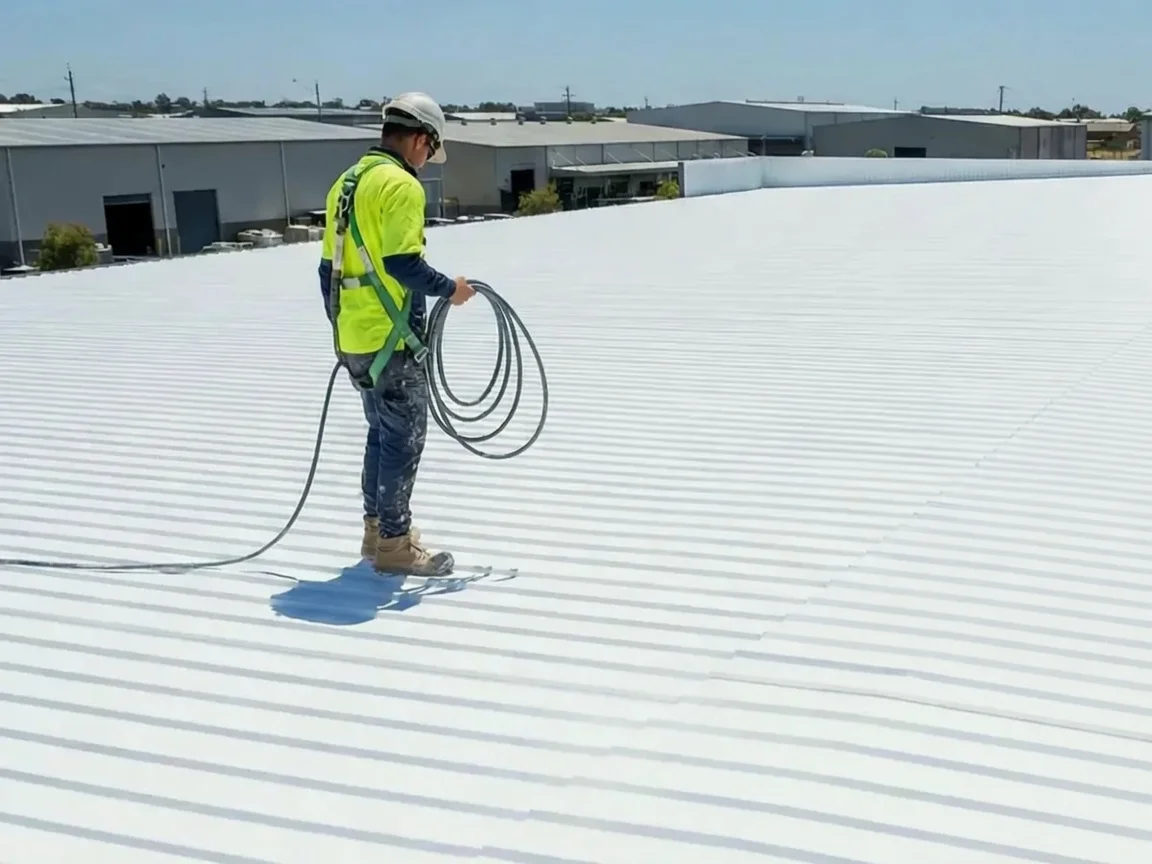
Yes. Shops and offices from New Lynn to Westgate, light industrial units and warehouses are programmed around trading hours and priced per scope. Big metal roofs can often be recoated instead of replaced while the building keeps working. Landlords and property managers can book repaints between tenancies. See commercial painting.
What happens at the site visit?
We walk the whole property with you, free and with no obligation, then send a written fixed quote.
- Book through the form below or call 0800 866 272. We reply within two business days.
- On site we note which walls stay damp, where scaffold can stand on a slope and where a van can park.
- Your quote lists the preparation, products and number of coats, so you can compare it line by line.
- Tomar Contracting is fully insured and our team is Site Safe trained. Workmanship carries a 10-year warranty; manufacturer product warranties are separate and confirmed with the quote.

Typical costs
What do house painters in West Auckland charge?
Typical Auckland ranges are $12,000 to $25,000+ to repaint the exterior of a standard 3-bedroom home, $8,000 to $15,000+ for a 3-bedroom interior, and $3,500 to $8,000+ for a roof restoration with wash, repairs, primer and two topcoats. Replacing an iron roof instead typically costs $20,000 or more.
Out west, scaffold on sloping sections, extra washing and mould treatment on damp walls, and more filling and priming of weathered timber are what push jobs towards the top of a range. Your real price is the written fixed quote after the site visit. See what painting costs in Auckland.
Common questions
Painting questions, answered
Answers for bush sections, older weatherboards, new terraces and West Coast baches.
Not covered here? Call 0800 866 272 or put your question in the form below.
Our Titirangi house backs onto bush and the walls go green every winter. Will new paint stop that?
Not on its own, because damp and shade cause the growth, not the paint. Upkeep is what keeps the walls clean: wash the shaded sides at least once a year with a house-wash product made for mould and lichen, using a soft brush or low pressure rather than a water blaster. Where the rules allow, keep branches trimmed back from the cladding and roof so air and light reach the walls and they dry faster after rain.
Our house sits well below the road on a steep section. Can you still get scaffold in?
Usually, yes. Scaffold on a slope takes more planning, and on some Titirangi, Laingholm and Waiatarua sections the gear goes down the steps by hand. We plan that at the site visit and price it into the written quote.
We have a bach at Piha. Do you paint out on the West Coast?
Often, yes. West Coast beach settlements such as Piha, Karekare, Te Henga and Muriwai are confirmed case by case because of the travel and access. Houses there take wind and salt straight off the Tasman Sea, so they need a thorough salt wash and a paint system chosen for that exposure. See coastal exterior painting.
Our 1960s Glen Eden weatherboard has decades of old paint on it. Should we worry about lead?
It is worth checking. Houses painted before about 1980 can have lead-based paint in the older layers, and sanding it releases toxic dust. Have suspect paint tested first. If lead is present, lead-safe removal, dust control and clean-up should be spelled out in any written quote, ours included.
Our Hobsonville Point terrace is only a few years old. Does it need repainting yet?
Probably not a full repaint, but check the sealant around windows and cladding joints, and dark colours on sunny walls, which usually fade first. Regular washing helps. Planning a colour change? Get it approved under your development's rules before booking the work.
It rains a lot out west. When can you actually paint the outside?
Late spring to early autumn gives the most reliable dry spells. On bush sections the working day is shorter, because shaded walls can stay wet with dew until late morning and each coat needs time to dry before the evening damp settles. Book the site visit in winter or early spring to plan a summer start.
Which West Auckland suburbs do you cover?
All of them. Besides Henderson, which has its own page, we paint in New Lynn, Kelston, Glendene, Glen Eden, Titirangi, Laingholm, Sunnyvale, Rānui, Swanson, Massey, West Harbour, Te Atatū, Hobsonville and Whenuapai.
Can you spray paint our fence, garage door or joinery?
Often, yes, and spraying gives an even finish on those surfaces. Where houses sit close together, as in the Hobsonville Point terraces, masking and overspray control around neighbours' cars and walls are planned before the gun comes out.
More help before you book
Request Your Free Auckland Quote
Free, no-obligation site visit and a written fixed quote. We reply within two business days.
- Fully insured
- Site Safe trained
- 10-year workmanship warranty
- Free, no-obligation site visit