




Why process beats paint-chip shopping

Learning how to choose painters in Auckland starts with process, not a colour deck. The companies that last on humid, coastal and villa stock are the ones who inspect, write preparation into scope, and can explain product choices in plain English.
Tomar Contracting published this guide so you can interview any painting company—including us—with clearer questions. Use it before you compare prices, or you may only be comparing how much work was left out.
Start with a clear job definition

Interior, exterior, roof and commercial programmes need different skills, access and drying windows. Write down the surfaces you care about, whether you will live on site, and any hard deadlines (sale, tenants, weather-sensitive elevations).
Photos of peeling corners, mossy weatherboards, chalking roofs and failed joinery help every professional give a better first response. Vague briefs attract vague quotes.
What to put in a one-page brief
- Suburb and building age / type (villa, weatherboard, brick, apartment, commercial unit).
- Elevations or rooms in scope—and what is deliberately out of scope.
- Known problems: soft timber, rust, mould, wallpaper, previous cheap paint-over.
- Access notes: steep rear banks, pool fences, occupied bedrooms, limited parking.
- Preferred timing and whether after-hours work is required.
A clear brief also helps you compare two quotes without missing excluded prep lines.
Insist on a site visit before a fixed quote

Phone estimates are useful for rough budgeting only. Fixed residential and most commercial scopes should follow an inspection of substrate condition, access and repair risk.
On a proper visit, a painter is looking for moisture issues, failed coatings, rotten boards, rusted flashings, chalk levels, and whether the job is one system or several systems.
- Someone competent walks the full exterior or every room in scope.
- Repairs are noted as inclusions, allowances or exclusions—not ignored.
- Access method is named (ladders, scaffold, roof anchors) where relevant.
- You receive a written scope, not only a number in a text message.
Questions every painter should answer
- Will you inspect before quoting, and who will attend?
- What preparation is included: wash, scrape, sand, fill, prime?
- What is excluded or treated as a variation?
- Who is on site daily—employees, subcontractors, or a mixed crew?
- What product systems do you propose for this substrate and exposure, and why?
- How are weather delays and recoat windows handled in the programme?
- What insurance, health and safety, and surface protection measures apply?
- What does the payment schedule look like against progress?
Defensive or mystical answers about prep, or refusal to write exclusions, usually mean risk is being shifted to you after the job starts.
How to read an Auckland painting quote
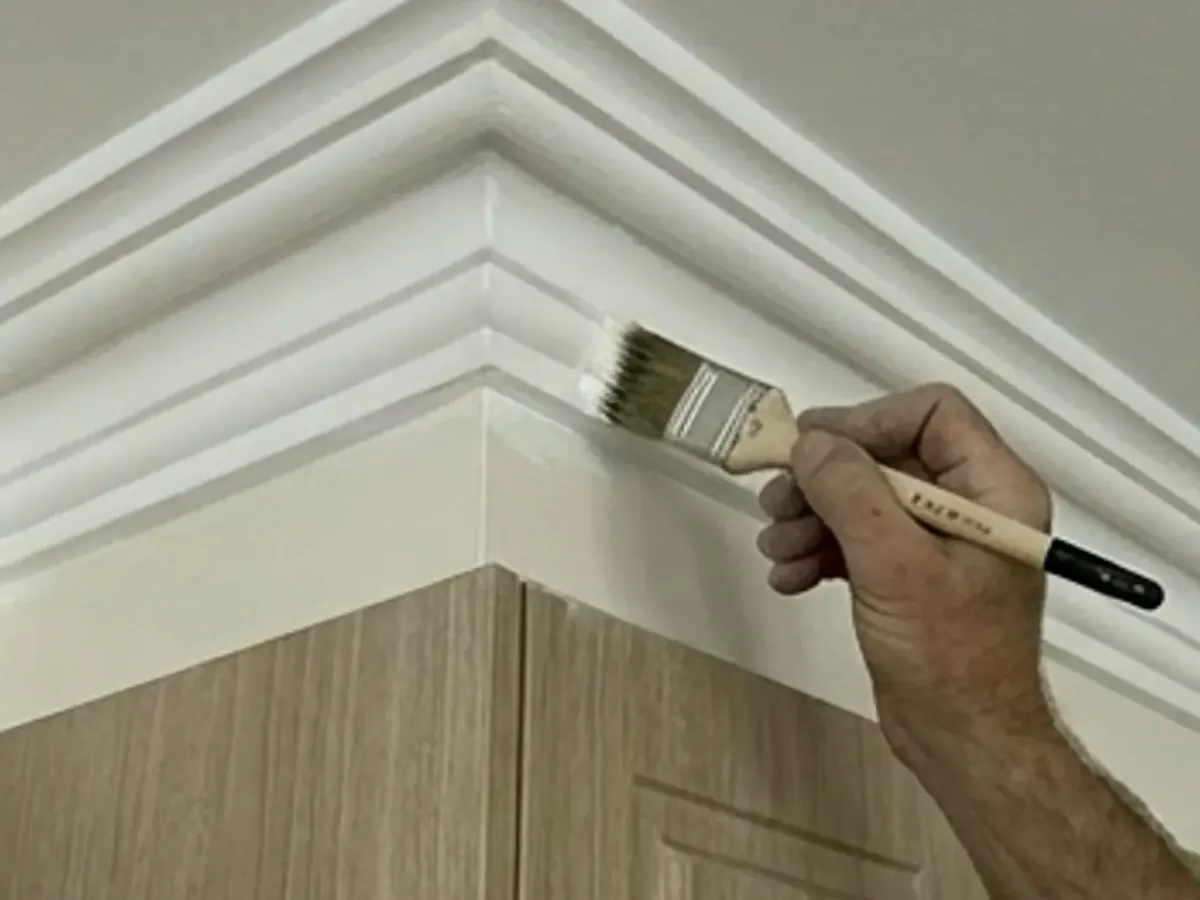
Two quotes with the same headline price can describe different jobs. The cheaper number often assumes less wash-down, thinner film builds, fewer joinery items, or no scaffold where access is awkward.
Read the document as a scope of works first and a price second.
Lines that should not be vague
- Wash method and whether soft wash / moss treatment is included.
- Repair list: putty, timber splice, rust convert, plaster patch—or an explicit exclusion.
- Primer systems for bare timber, metal, plasterboard or chalky coats.
- Number of finish coats and sheen levels by surface.
- Joinery: windows, doors, fascias, barges, handrails.
- Protection of gardens, paths, neighbouring cars and furniture.
- Programme length and working hours.
Auckland-specific factors that change the hire decision

Humidity, coastal salt and strong UV punish shortcuts. A crew used only to dry inland conditions may under-specify wash, primers or recoat timing on North Shore, east-coast or harbour-facing stock.
Villa and bungalow detailing, steep sections, and body-corporate rules also separate generalists from teams that plan access and neighbour impact.
- Coastal windward elevations need more rigorous clean-down and often shorter maintenance cycles.
- South elevations can harbour mould and algae even when the street front looks fine.
- Weatherboard edges, end grain and poorly flashed junctions are common failure points.
- Apartment and multi-unit jobs need staging, parking plans and written communication paths.
Red flags when choosing painters

- Fixed price offered from photos alone on a complex exterior.
- No mention of washing, priming or repairs in the written scope.
- Pressure to pay a large deposit before materials and start date are clear.
- Unwillingness to name product systems or insurance details.
- Reviews or references that only talk about “nice guys,” never about prep or durability.
- The quote is dramatically cheaper without a clear reason (smaller scope or weaker system).
Cheap labour that disappears when weather turns is a common failure mode on Auckland exteriors. Continuity of crew matters.
Compare painters without getting lost in colour charts

Shortlist two or three companies who will visit. Score them on scope clarity, prep honesty, communication and programme—not only on the final number.
If one quote is much lower, ask them to mark what the others included that they did not. Often the gap closes once scopes align.
- Same surfaces listed on every quote you compare.
- Same access assumptions (or price differences explained).
- Repair approach visible in writing.
- A named contact for variations and daily questions.
After you hire: keep the job on rails
Agree how variations are approved, where materials are stored, and how weather delays are communicated. Walk the first elevation or room together early so expectations on cut-ins and protection match reality.
Keep a simple photo diary of problem areas before coating. It helps if a latent defect appears mid-job.
Practical next steps

Write your brief, book visits, and read scopes side by side. When you want a prep-first inspection from Tomar Contracting, request a free site visit or call 0800 TOMAR C (866 272).
Related reading: cheap quotes versus fixed scope, preparing your home for painters, and the service pages for interior, exterior and roof work.
References, insurance and who turns up

Ask for recent Auckland jobs similar to yours—weatherboard exteriors, Level 5 interiors, or commercial corridors—not only a general five-star average. Speak to a past client if you can about cleanliness, communication and whether the crew matched the salesperson.
Confirm public liability insurance and how subcontractors are supervised. A polished office quote means little if an unsupervised casual crew arrives with no written system.
- Request suburb-relevant examples.
- Ask who the site lead is and how often they are present.
- Clarify whether spray, brush or both are used on your cladding.
- Understand cleanup standards at day’s end.
Body corporate and multi-unit hiring notes

If you are on a body corporate, approval pathways, colour controls, working hours and common-property protection may constrain the painter as much as the substrate does. Build those rules into the brief before quotes return.
The cheapest tender that ignores committee process often becomes the most delayed project.
Worked example: three quotes on one weatherboard villa

Imagine a 1920s weatherboard villa in a leafy central suburb. Quote One is low, based on a kerbside chat, excludes joinery, and assumes “light sand and two coats.” Quote Two mid-range after a full walk, includes soft wash, listed timber repairs, primer on bare areas, all sash joinery, and scaffold for the rear. Quote Three is highest, adds full barge reinstatement and a longer programme to work around tenants.
If you only compare totals, Quote One wins. If you live in the house for five more years, Quote Two is often the rational choice. Quote Three may be correct if barges are truly failed—or padded if they are not. Your job is to force each bidder onto the same repair list.
Walk the villa with a printed checklist: south wall mould, lower course soft spots, window putty, barge ends, and deck junctions. Tick what each quote covers. The exercise takes an hour and can save a failed exterior.
- Force identical repair assumptions.
- Name access equipment.
- Require product systems in writing.
- Reject photo-only fixed prices on complex villas.
How to run the site-visit interview
Treat the site visit as a structured interview, not a sales pitch you endure. Walk the property in the same order on every quote: street elevation, sides, rear, roof edges from ground, then interiors if in scope. Ask the same questions from a printed list so you can compare answers later without relying on memory.
Listen for specificity. “We’ll prep properly” is not an answer. “We’ll soft-wash, scrape failed edges on the south elevation, splice two soft boards near the deck, prime bare timber, then two finish coats on weatherboards and a separate system on metal flashings” is an answer you can hold someone to.
If two painters disagree about whether timber is sound, ask both to mark the boards with chalk or photos. Disagreement is useful data; vagueness is not.
- Bring a notebook with elevations pre-listed.
- Photograph anything they say is out of scope.
- Ask who will be the daily lead if the estimator is not on site.
- Confirm start window and what weather cancels a day.
End every visit by repeating back the scope in your own words. If they correct you, write the correction down before they leave.
A simple scoring matrix that keeps price honest

When quotes return, score each company 1–5 on: prep honesty, repair clarity, access plan, programme realism, communication, and total price. Weight prep and repairs higher than charm. A mid-price quote that wins on prep often beats a low price that scored 1 on repair clarity.
Do not average scores mentally. Write them. Homeowners who “just have a feeling” about the cheapest bidder often discover the feeling was urgency, not diligence.
What a one-point difference can mean
One point on prep may mean soft wash versus a light hose. One point on access may mean proper scaffold versus overreaching from ladders on a steep rear bank. Those points are where peel and injury risk live.
- Same surfaces on every score sheet.
- Repairs listed or explicitly excluded.
- Product systems named.
- Variation process written.
After you choose: kickoff that prevents disputes

Send a short kickoff email: agreed colours, rooms or elevations, working hours, parking, pet plan, and the variation rule (“no extra work without written approval”). Ask for a day-one protection standard photo of a prepared elevation before full coating if the job is large.
Keep one decision-maker. Two family members giving conflicting colour instructions mid-job is a classic Auckland villa problem that creates chargeable rework.
Insurance, contracts and payment milestones that protect you

Ask for evidence of public liability insurance and how subcontractors are covered. A polished brochure does not replace a certificate. Clarify who is responsible if a ladder marks a neighbour’s car or wash runoff stains a shared drive.
Payment schedules should track progress: modest deposit, mid-job on completed prep or first coats, balance on practical completion after a walk-through. Large cash demands before materials arrive are a risk signal. Keep variations in writing with prices before work proceeds.
For body corporate work, confirm approval pathways and colour controls before the crew is booked. The cheapest tender that ignores committee process often becomes the most delayed project in multi-unit Auckland buildings.
- Insurance certificate current and adequate for the site risk.
- Payment tied to milestones, not only calendar dates.
- Variation rule agreed before day one.
- Body corporate or landlord approvals in hand when required.
Need a prep-first site visit?
Tomar Contracting inspects Auckland homes and commercial spaces, then provides a fixed written scope—not a photo guess. Call 0800 TOMAR C (866 272) or use the form below.